about the place
In the municipality of São Pedro do Sul, in the district of Viseu, Figueiredo de Alva spreads across places with lyrical names — Fermontelos, Ladreda, Ucha and Cigana — among terraced hillsides and mountain villages. The Ermida do Paiva (Romanesque chapel), a twelfth-century monument, is one of the oldest landmarks of these hills, where life is measured by the rhythm of the seasons and the work of the land and livestock.
history
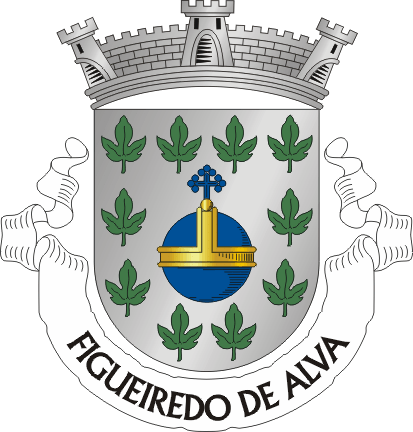
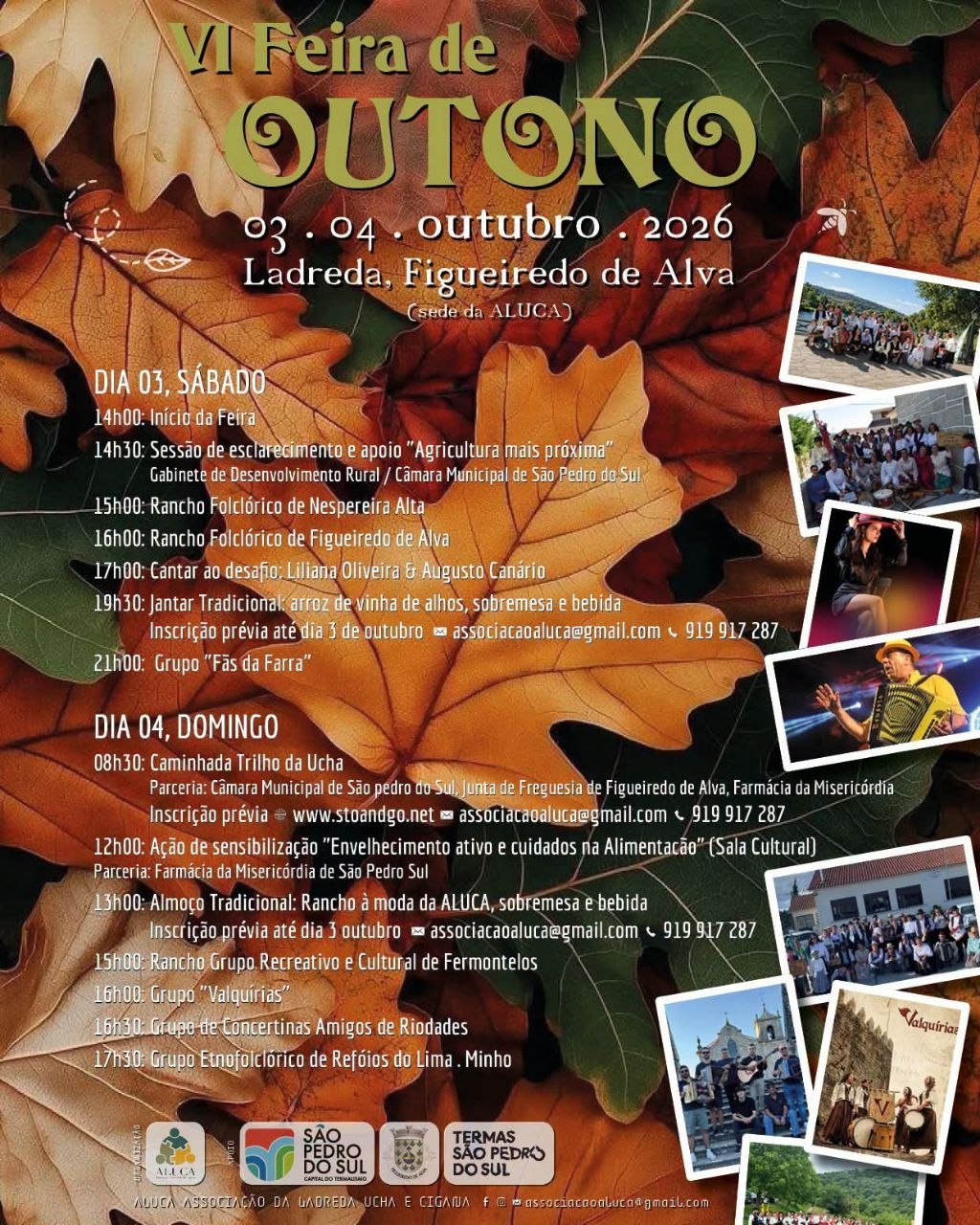
There are places you discover slowly, at the pace of paths that climb between terraced fields and stone houses, and Figueiredo de Alva, in the municipality of São Pedro do Sul, is one of them. Spread across hamlets with names that sing — Fermontelos, the parish seat of Figueiredo de Alva itself, Ladreda, Ucha and Cigana — the parish holds the quiet of the mountain villages of the Viseu district, where life is still measured by the turning of the seasons and the patience of those who work the land.<p>The memory of this land is made from the daily lives of its people — people bound to the fields, the livestock and the small tasks passed down from generation to generation. It is a parish that has kept its school alive, with the Escola Básica de Figueiredo de Alva welcoming the youngest children in pre-school and primary education — a sign that there is a future here, and that children are growing up among the hills and fields their grandparents once tilled. The Junta de Freguesia, currently presided over by António José Pereira Rocha, is the administrative heart of a community that takes pride in its roots, expressed even in its coat of arms, where a white scroll bears the name of the land in black lettering, and in its blue flag with silver and blue cords, a gold staff and spearhead, as if hoisting its very identity.<p>Those who come to these parts cannot remain indifferent to the heritage that has accumulated here over the centuries. The Ermida do Paiva (Romanesque chapel), a Romanesque monument dating back to the twelfth century, is one of the oldest jewels of these places, a stone testament to a faith that has endured through time. The Igreja Matriz de Figueiredo de Alva stands as the cornerstone of local religious life, and the Capela de Nossa Senhora das Necessidades adds its quiet devotion to the string of places of worship that dot the parish. These are buildings worth visiting not only for their artistry, but for the soul deposited within them, mass after mass, pilgrimage after pilgrimage.<p>But this land and the region surrounding it live not by sacred stone alone. Around São Pedro do Sul lie treasures that stir the curiosity of any traveller: the Livraria da Pena, a geological site where quartzite strata are arranged like books stacked on a shelf forgotten by nature, is a spectacle that gives pause for thought. Not far away, the Pedra Escrita in Serrazes, the Castro da Cárcoda, the Convento de S. Cristóvão de Lafões, the Casa das Malafaias and the Quinta da Comenda together form a mosaic of manor houses, hillforts, convents and chapels that each tell, in their own way, the long human history of these mountains. It is an invitation to travel the roads at leisure, to stop at each place and let the landscape speak.<p>Traditions in Figueiredo de Alva remain alive thanks to the dedication of a community that enjoys gathering together and preparing its celebrations collectively. The desire to celebrate, to bring neighbours together and to make the village a stage for togetherness is part of the character of these people, who work hard and know equally well how to celebrate with the same wholehearted spirit. It is in that collective spirit — made of helping hands and decorated streets — that one understands just how deeply this place is loved.<p>At the table, Figueiredo de Alva shares with the whole municipality of São Pedro do Sul a rooted, honest and comforting cuisine. The sarrabulho (a rich pork offal stew) and cabrito (roast kid) are festive dishes, cooked with the time and knowledge of those who are never in a hurry. The sweet-making shows its most homely side in rice pudding dusted with cinnamon and in the folar da Páscoa (Easter bread), which perfumes homes on days of celebration. And two names fill these lands with pride: the Cabrito da Gralheira, with PGI status, and Carne Arouquesa, with protected designation of origin — quality meats reared on these mountains and brought slowly to the heat, so that the flavour is released gently and true. To taste these dishes is to taste the land itself, with all its generosity and authenticity. Figueiredo de Alva stays with those who visit it: through its stone, its flavours, and the people who make it what it is.