about the place
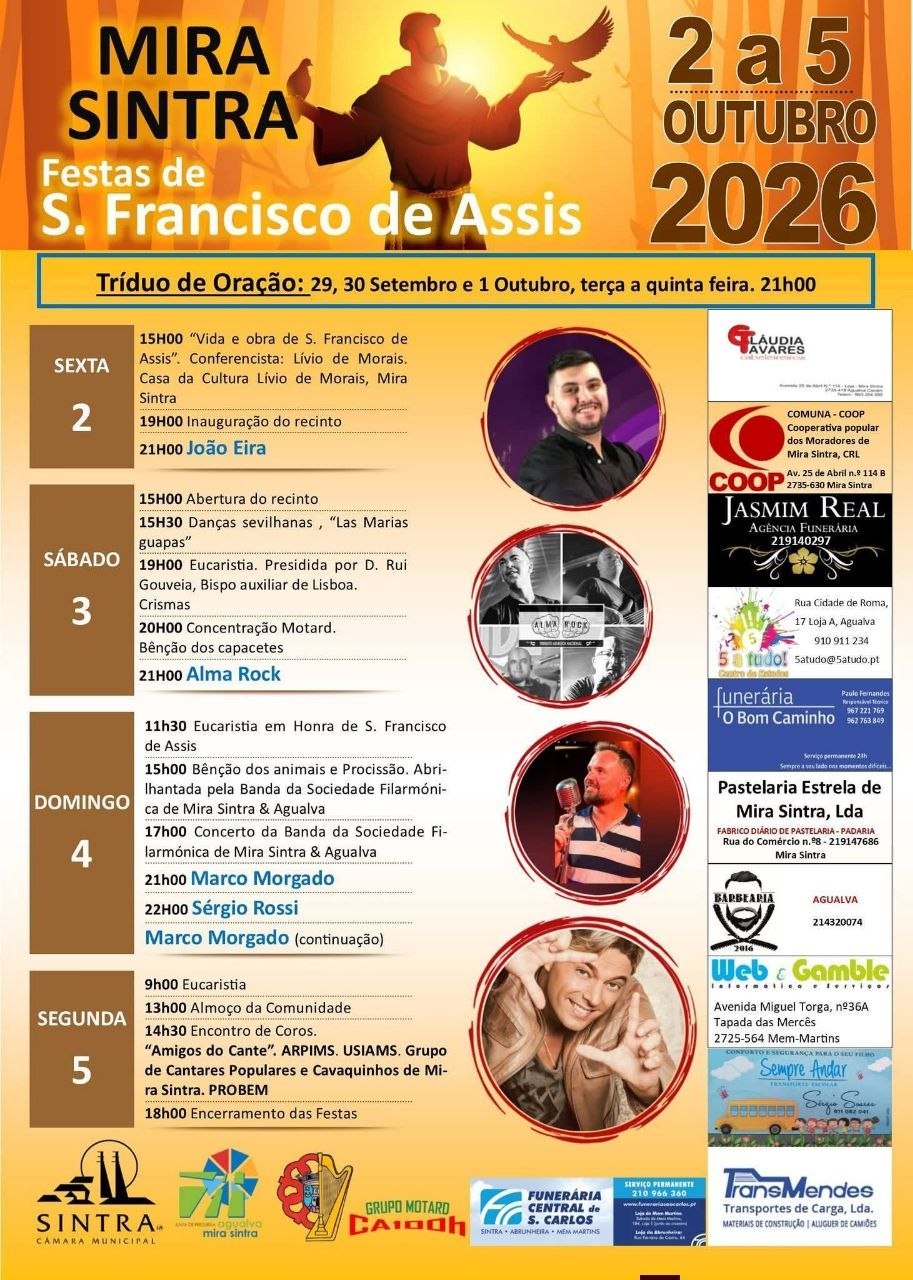
In the heart of the concelho of Sintra, in the district of Lisboa, Agualva and Mira-Sintra are two localities that grew up side by side, far from the romantic postcard image of the hills and closer to the solid ground where people work and live together. The territory holds ancient traces, such as the Anta de Agualva and the caves of Colaride, and has undergone profound urban transformation, with regeneration projects such as the creation of a linear urban park.
history
There are places you come to know by the movement of their people, by the comings and goings of streets where life unfolds without ceremony. Agualva and Mira-Sintra, there in the heart of the municipality of Sintra, are precisely that: two localities that grow side by side, bound to the pulse of daily life, far from the romantic postcards of the hills and closer to the solid ground where people work, talk and meet.<p>The history of these lands is, above all, the history of their people. One does not come here in search of the silence of palaces, but for the welcome noise of a living community, made of encounters and roots that have been planted over generations. Agualva and Mira-Sintra are neighbourhoods with the soul of a close-knit community, where the corner café is a meeting point and where the street still holds the old custom of knowing the name of every passer-by. These are people who made these streets their home, who built up this land day after day, with the patience of those who build a future without great fanfare.<p>Among the places that mark the affective map of these parishes is the café Os Gonçalvinhos, one of those spots that become a landmark almost without realising it, where you have your morning coffee, arrange your afternoon meeting and sort out half the world in conversation. There is also the presence of the Igreja Universal do Reino de Deus (Igreja Universal do Reino de Deus), and there is the so-called 66ª — names that, more than monuments of stone and mortar, are points of reference for those who live here: the human coordinates by which daily life is navigated. The heritage of a place is not always measured in ancient doorways or sculpted towers; sometimes it is measured in the places where people gather, and Agualva and Mira-Sintra have precisely that wealth made of togetherness.<p>It is in their traditions and customs that these parishes show their true vitality. Throughout the year, the community knows better than most how to come together in celebration, to mark occasions collectively and to turn the calendar into a string of shared moments. There is the tradition of welcoming the flowering season, with gatherings in the streets, and there is the energy of local youth, who find their own space to express themselves and meet. There is also a sweet celebration centred around chocolate, proof that these lands never miss a good excuse to come together at the table and in collective joy. And there is, of course, the pleasure of sharing a good pot — such as the gathering dedicated to soups in Agualva, where the simplicity of a warm bowl becomes a reason for festivity and communion. It is these rituals, repeated and eagerly awaited, that give Agualva and Mira-Sintra the sense of belonging that turns two localities into one family.<p>At the table, these lands reveal the honest and generous character of the region. The local cuisine is rich and varied, served in a multitude of establishments where the abundance of Portuguese tradition can be savoured. Among the flavours treasured here with affection is a simple and comforting confectionery, with a highlight being a doce feito de abóbora (a sweet made from pumpkin) — one of those treats that transforms a humble garden fruit into a delicious dessert, with the warmth of old-fashioned sweets that taste of home and memory. It is the kind of gastronomy that needs no ostentation to win hearts: the authenticity of local produce, the hand of someone who cooks with love, and the right company around the table are all it takes.<p>Agualva and Mira-Sintra are, in the end, a faithful portrait of a Portugal that works hard and lives the present with intensity. They do not dazzle with their scenery, but they win you over with their character — the hospitality of their people, the liveliness of their streets, the constant will to celebrate and be together. Those who pass through and allow themselves to linger soon discover that the true landscape of these parishes is its people, and that the finest souvenir one takes away is the feeling of having been warmly welcomed. In a Sintra that the whole world knows for its palaces, these two localities remind us that there is another Sintra — the everyday one, just as worthy of being known and loved as the one of enchanted hills.