what to see
Igreja Matriz de São João Baptista (Parish Church of São João Baptista), built in the early 16th century with the support of the Priory of Crato, listed as a Property of Public Interest since 1933.<p>Ponte Filipina (Ponte Filipina) over the river Zêzere, classified as a national monument.<p>Pelourinho, symbol of the town status achieved in the 15th century, near the old village.<p>Capela de Nossa Senhora da Confiança (Chapel of Nossa Senhora da Confiança), commissioned in 1902 by the Conceição e Silva family.
about the place
In the municipality of Sertã, in the district of Castelo Branco, Pedrógão Pequeno holds time in its stones and in the Beirã landscape beside the river Zêzere. Its origins are attributed to the Romans and, in the fifteenth century, it was raised to the status of a town, later receiving a royal charter from King Manuel I. The Roman road and the pelourinho bear witness to this long-remembered past, in a land small in name but great in its attachment to its roots.
history
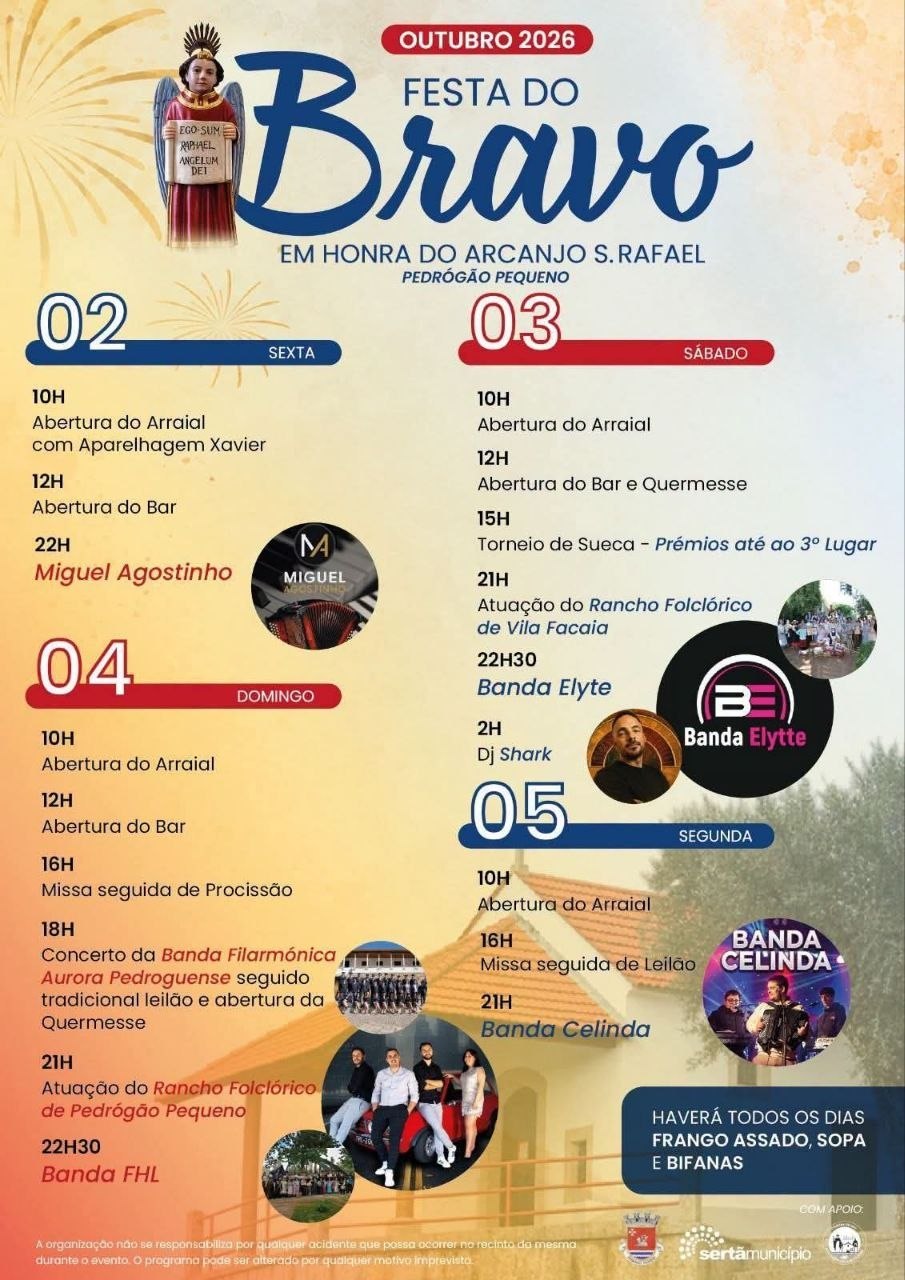
There are places that keep time in their stones and silences, and Pedrógão Pequeno, in the municipality of Sertã, is one of them. It is said that its roots reach deep into Antiquity, with its foundation attributed to the Roman consul Aulo Cúrcio, around 150 BC. Since then, this land has been shaped by many different hands: it fell under Moorish rule in the 8th century and was later reconquered during the reign of D. Afonso II, at the beginning of the 13th century. These are centuries of comings and goings, of peoples who left their mark here before moving on, but who made Pedrógão Pequeno a place of long memory.<p>In the 15th century, the settlement was granted to Diogo da Silveira by D. Vasco de Ataíde, acquiring the status of a town — a distinction that spoke of its weight and importance in the region. During the reign of D. Manuel I, at the beginning of the 16th century, the land received a new foral charter, a document confirming the rights and duties of its people, which still marks the historical dignity of this corner of Beira to this day. Generations of men and women passed through here, working the land, tending to places of worship, and keeping alive an identity that resists being forgotten. Religious life remains present, and today it is Pe. José Afonso who accompanies the community.<p>The heritage of Pedrógão Pequeno is the kind that reveals itself slowly, to attentive eyes. The Igreja Matriz (Parish Church), built probably at the beginning of the 16th century and financed by the Priorado do Crato, is one of the great landmarks of this parish — a testament to an era when faith and power walked hand in hand. But there is more to see. The Capela de São Sebastião, a place of devotion cherished by the local people, was restored during the final decades of the 20th century and remains a space of quiet reflection and prayer. Alongside it stands the Capela de Nossa Senhora da Confiança, commissioned in 1902 by the Conceição e Silva family, proof that devotion here is also expressed through personal gestures and family stories.<p>Those who walk through Pedrógão Pequeno will also find traces that speak of much earlier times: the Roman road, recalling the ancient presence that gave rise to the settlement, and the pelourinho (pillory), symbol of the town status gained centuries ago. The Ponte do Ribeiro completes this collection of soulful places, alongside various private houses and buildings from different eras, which give the village its own character, built from overlapping layers of history. It is a heritage that does not impose itself through grandeur, but wins over visitors through its authenticity and the way it takes root in the landscape.<p>The traditions and customs of Pedrógão Pequeno are deeply tied to the bond between faith and community. Moments of celebration and devotion bring people together around their chapels and their saints, in a continuity that spans generations. It is in these gatherings that the spirit of the land becomes clear: a place small in name, but great in its attachment to its roots and the pride with which it preserves what it inherited from its ancestors.<p>And then there is the table, which in Pedrógão Pequeno is always an invitation. The gastronomy of this parish breathes the tradition of Sertã, with pride of place going to maranhos (a traditional stuffed offal dish typical of the region), which delight all who taste them. Around them unfolds a procession of genuine flavours: empada (a savoury pie), misto de enchidos (assorted cured meats), bucho (stuffed tripe), sopa de bacalhau (salt cod soup) — dishes that tell the story of a land that knew how to make the most of what it had and turn it into a feast of flavours. Some establishments also bring together local produce and authentic recipes with imagination, as at the Restaurante Sabores da Montanha, where delicacies such as lagartinhos de porco preto can be savoured. It is rooted cooking, made with time and honesty, that leaves a lasting impression on all who pass through. Those who come to Pedrógão Pequeno carry away in their memory not only the stones and the chapels, but also the aroma and taste of a land that welcomes guests at its table as though receiving family.