history
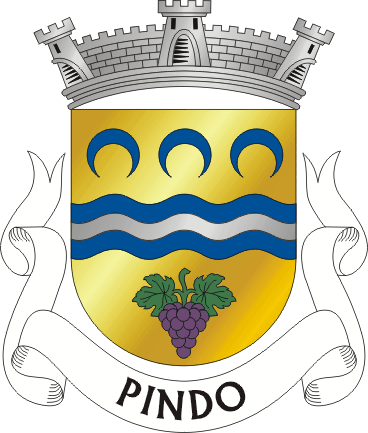
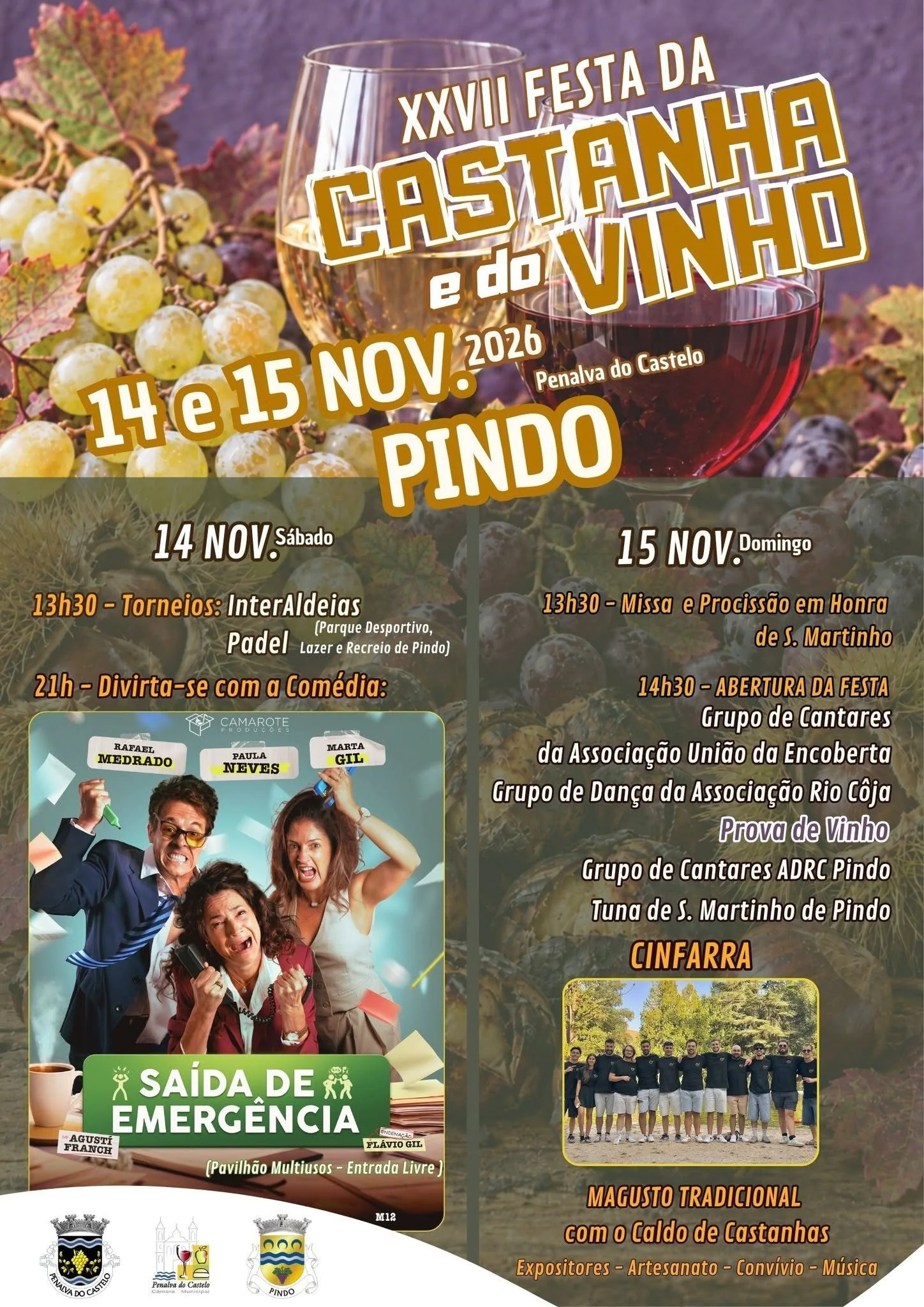
Pindo lies in the eastern part of the municipality of Penalva do Castelo, on the right bank of the river Dão, about 7 km from the town centre, and is crossed by the river Côja. It covers 16.82 km² and has 1,716 inhabitants (2021). The name is thought to derive from a rustic villa of the early Middle Ages, the property of a certain Pinidus. There are Roman remains and anthropomorphic tombs at the parish church. S. Martinho de Pindo is one of the oldest parishes of the former Julgado de Penalva: the Inquirições of 1258 already refer to Pindo de Baixo and Pindo de Cima, Roriz, Telhado, Oliveira and Pepim. In 1758 it had 311 households, 3 olive-oil presses and 9 mills, and was a commandery of the Ordem de Cristo. In addition to the parish church, there are the chapels of Espírito Santo (Encoberta), Santa Catarina (Santa Eulália), Santa Bárbara (Roriz), São Simão e Santo António (Casal Dinis), Nossa Senhora da Ribeira (Entre Águas) and São Sebastião (Mártir), the Casa de Santa Eulália, and the river beach of Senhora da Ribeira, where the Côja meets the Dão. Chestnuts and wine are the main local products, and the Festa da Castanha e do Vinho is held in November.