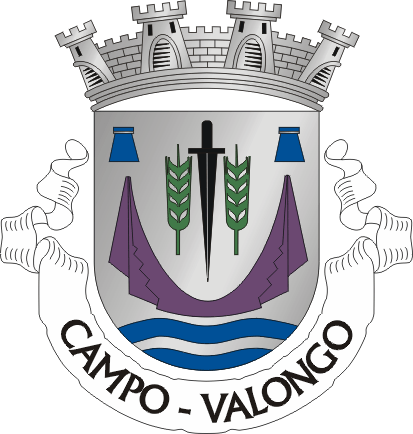
A town in the municipality of Valongo with 9,142 inhabitants, renowned for its slate and bread-making traditions, home to the Igreja de São Martinho (Church of São Martinho) and the 15th-century…
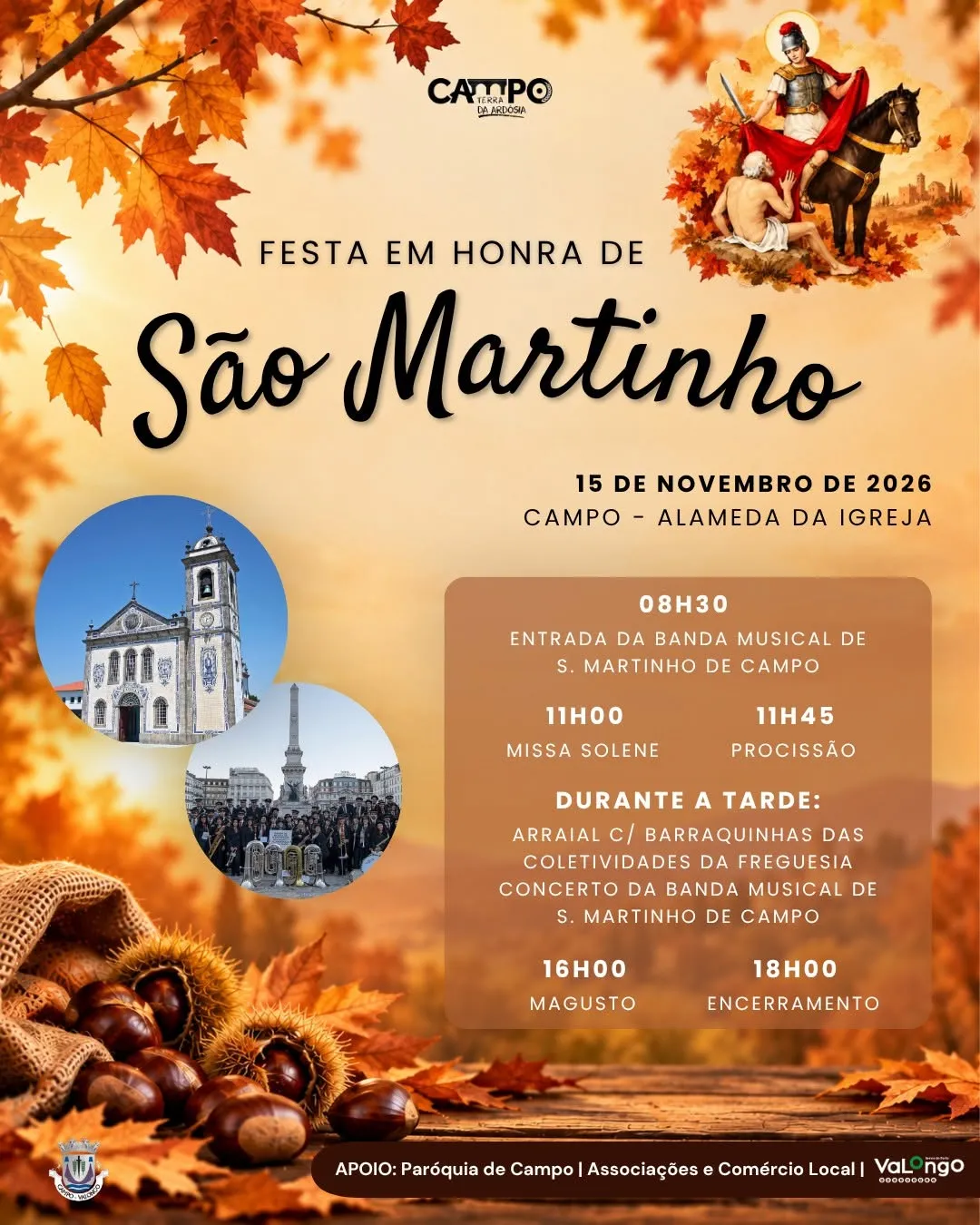
1 festival recorded in this parish
Sérgio Horta via Wikimedia Commons · CC BY-SA 3.0 · fonte
A town in the municipality of Valongo with 9,142 inhabitants, renowned for its slate and bread-making traditions, home to the Igreja de São Martinho (Church of São Martinho) and the 15th-century Capela de Nossa Senhora da Encarnação.
history
Campo is a town and civil parish in the municipality of Valongo, covering 10.95 km² and home to 9,142 inhabitants (2021 census). Its residents are known as campenses, and the patron saint is São Martinho, celebrated on 11 November with the traditional magusto (chestnut roasting festival).<p>The origin of the name remains unclear: the designation appears in the Inquirições of 1258 and some trace it to Celtic roots. In 1140, King Afonso Henriques granted the Bishop of Porto the Couto de Luriz. Campo belonged to the municipality of Aguiar de Sousa until its dissolution, and was incorporated into Valongo in 1836. Nearby, on 23 July 1832, the Batalha de Ponte Ferreira was fought between the forces of D. Pedro IV and D. Miguel. Campo was granted town status in 2001. In 2013 it merged with Sobrado to form the União das Freguesias de Campo e Sobrado, and regained its status as an independent parish in 2025.<p>The area is known for its bread-making and slate mines: the slate from Campo is internationally recognised as 'Porto Slate'. The Igreja Matriz (Parish Church) was built between 1902 and 1910 using materials from an earlier church, and features gilded woodwork on the high altar and azulejo tiles in the sacristy. The Capela de Nossa Senhora da Encarnação (Chapel of Nossa Senhora da Encarnação) dates from the late 15th century and hosts the parish's main festival, held on the last Sunday of May.